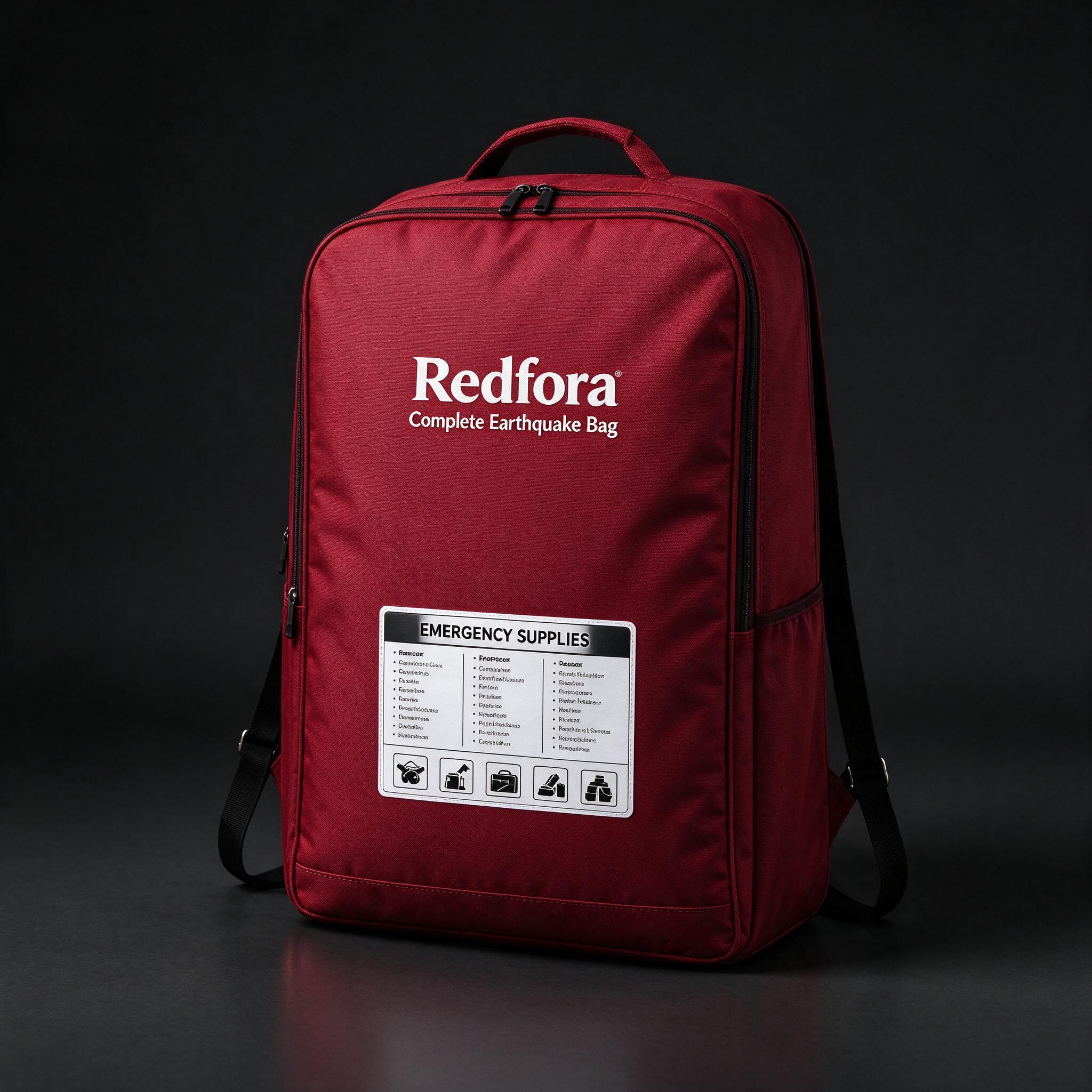
Redfora Complete Earthquake Bag
NBC Select named this its best overall emergency kit in its July 2026 roundup.
Coverage: varies by version · Duration: marketed for 72 hours · Weight: 11–29 lb by version · Includes: radio, first aid, water pouches
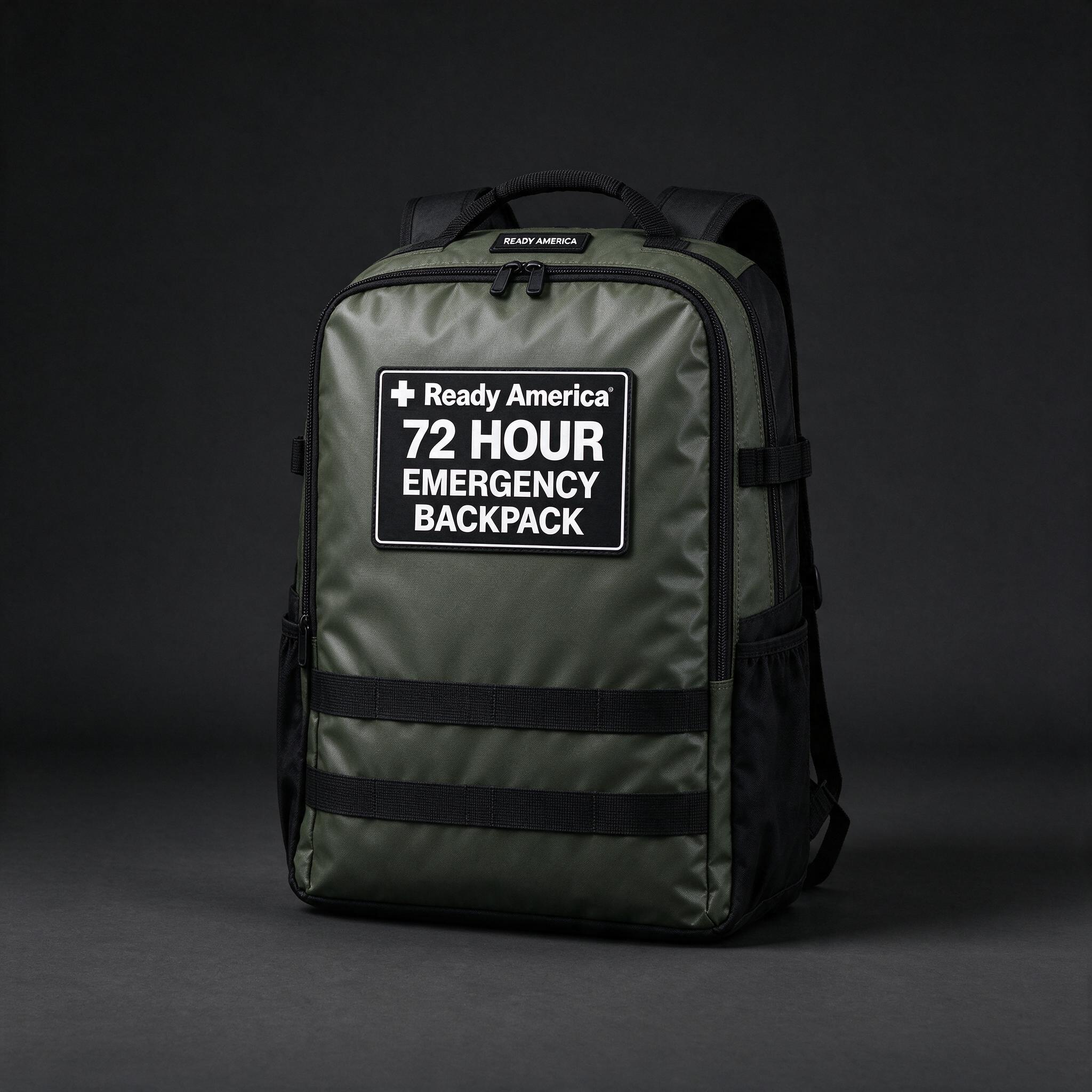
Ready America 72 Hour Emergency Backpack
NBC Select named this its budget pick and listed it at about $39.44 when its article was updated in July 2026.
Coverage: 2 people · Duration: marketed for 72 hours · Weight: 7.75 lb · Includes: 12 water pouches, lightsticks, blankets
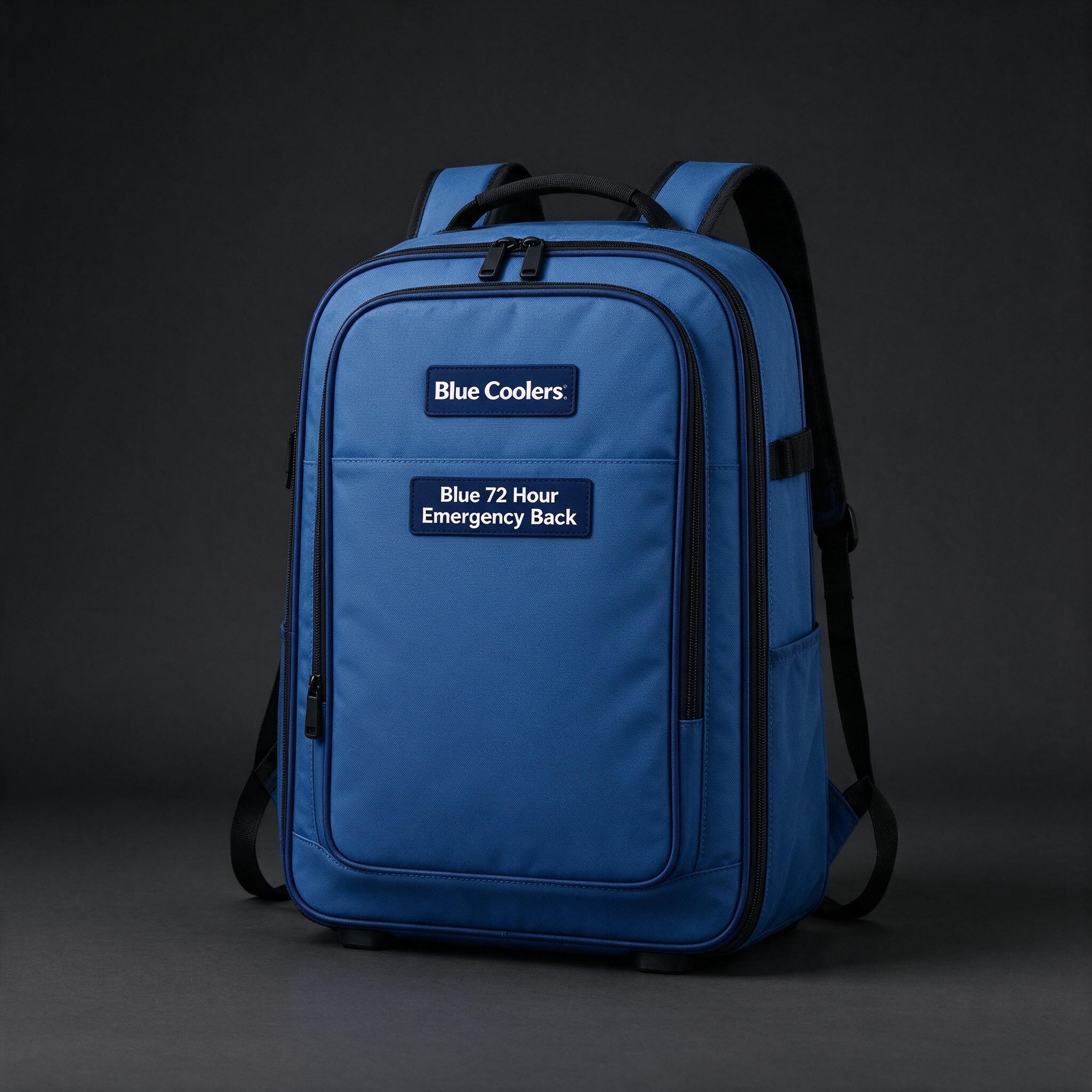
Blue Coolers Blue 72 Hour Emergency Backpack
NBC Select selected this as its best emergency kit for one person and listed it at about $39.99.
Coverage: 1 person · Weight: about 4–5 lb · Includes: food bar, small water pouches, first aid, crank light
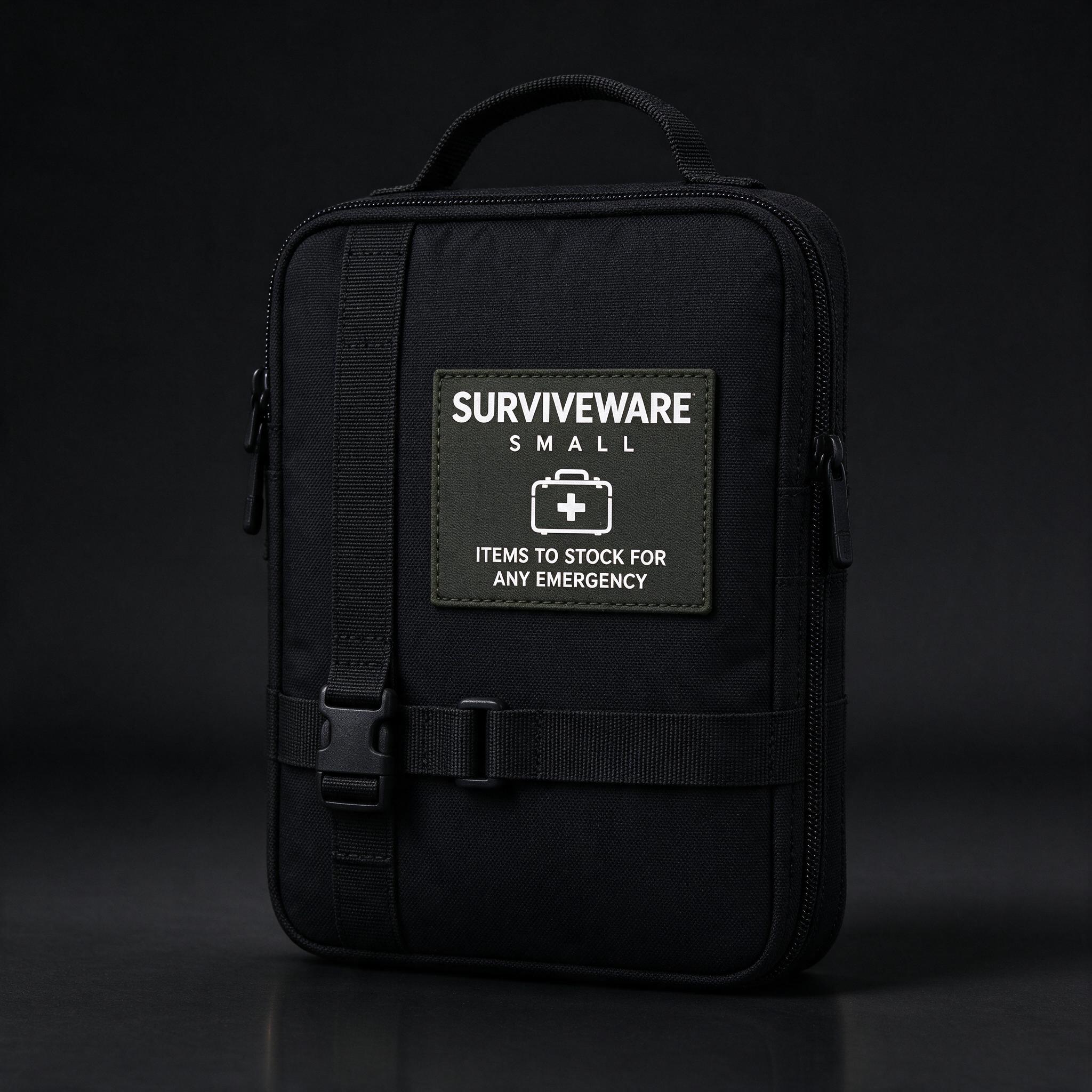
Surviveware Small
OutdoorGearLab named the Surviveware Small its best first-aid kit overall in a review updated September 28, 2026.
Type: compact first-aid kit · Best use: travel, home or go-bag · Contents: wound-care and first-aid supplies · Add: personal medicines
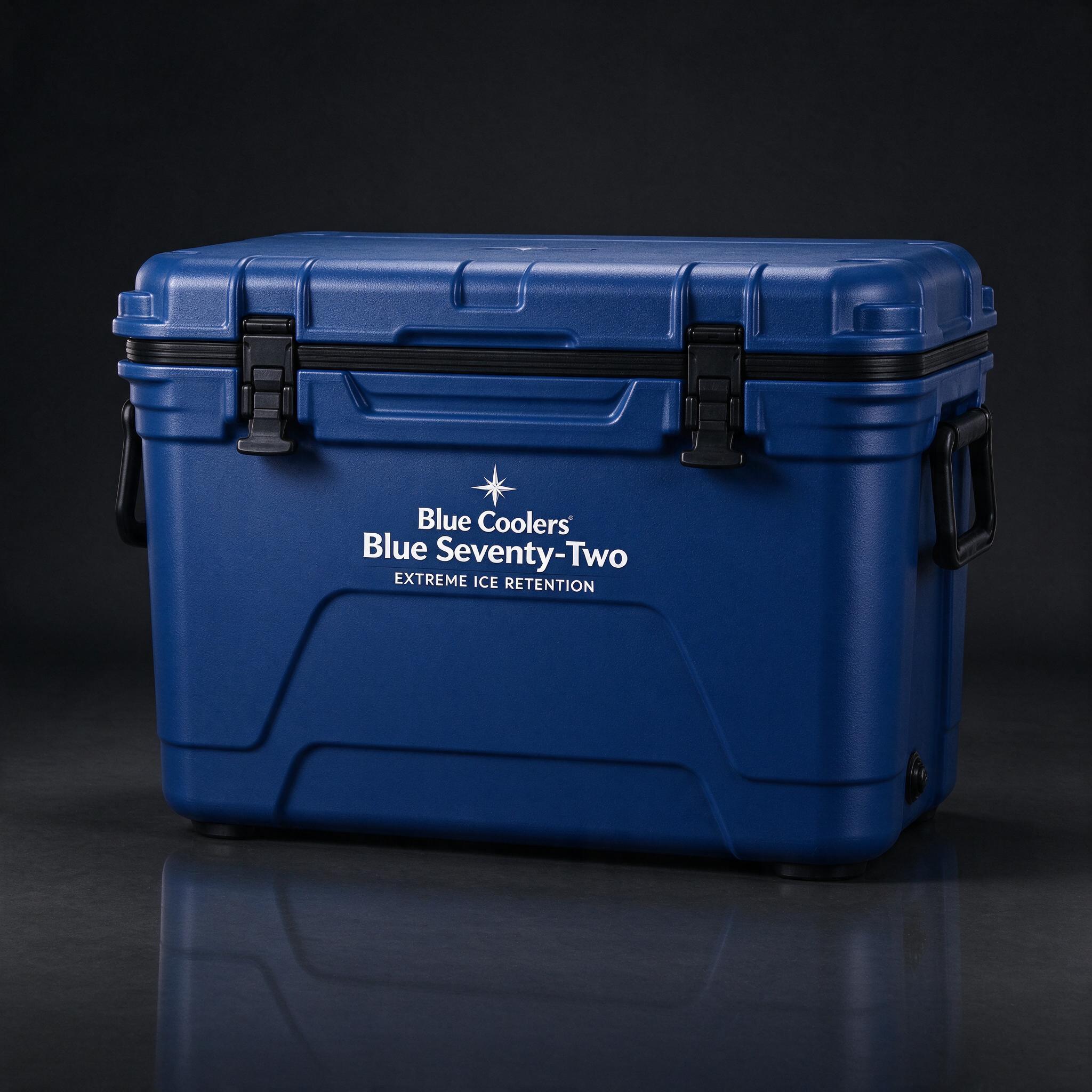
Blue Coolers Blue Seventy-Two
Reviewed recommended the Blue Coolers Blue Seventy-Two as its best emergency kit for kids.
Use: child’s supplemental kit · Pack: small backpack · Includes: food bar, water pouches, blanket, poncho, dynamo light
The same thing, sold by Danilli All
Our own stock, at our price, shipped to you. items to stock for any emergency and close matches.
Not sure which one?Tell Danilli what you need and it picks one of these for you. Free.
Free with a Danilli accountAn email when a product you saved drops in price, the Today's Deals email every morning, and 50 free credits to ask Danilli anything (guests get 3 questions). Nothing to pay.
Sign up free
What to consider
The Redfora Complete Earthquake Bag is a preassembled emergency backpack with supplies such as a hand-crank radio, first-aid kit and water pouches. It is sold in different household sizes; check the exact version before buying.
NBC Select named it best overall in its 2026 emergency-kit roundup. Its labeled, organized supplies make it a useful starting point for someone who does not want to assemble every item from scratch.
It is not a complete three-day supply of water, food or every recommended shelter and communication item. The two-person version is about 18 pounds, according to NBC Select.
For a lower-cost starter kit, consider the Ready America 72 Hour Emergency Backpack. For first aid specifically, OutdoorGearLab recommends the Surviveware Small.
What matters
“Emergency supplies” is a broad category, not one product: a go-bag, first-aid kit and home stockpile solve different problems. Check how many people a kit is meant to cover and whether its food and water actually meet your needs. Many packaged kits include far less drinking water than a person needs for three days. A useful kit should be supplemented with prescription medicines, contact information, local maps and supplies for children, pets or medical devices. Store it somewhere accessible and check expiration dates regularly.
How Danilli picked
Danilli looked for these things, the same ones the testers score:
A kit labeled for multiple people may not contain enough food or water for each person. Check the included quantities and add supplies to match your household.
A few pouches are supplemental, not a full drinking-water supply. Government-agency guidance cited by NBC Select calls for about one gallon of water per person per day, plus nonperishable food.
A radio and dependable light can help when cell service or power is disrupted. Check whether the radio receives NOAA weather broadcasts and whether you have spare batteries or another charging method.
Pack prescription medicines, eyewear, medical-device supplies and hygiene items that generic kits often omit. First-aid supplies are only useful if they fit your household and you know how to use them.
An evacuation bag needs to be comfortable enough to carry and easy to navigate. Look for a manageable weight, sturdy construction and clearly grouped supplies.
Food, water, batteries and medicines can expire or degrade. Keep an inventory and inspect the kit on a regular schedule so missing or outdated items do not surprise you.
Who this is for
These picks are for people who want a tested starting point for household preparedness, evacuation or first aid. A prepacked bag can save time, but it is not a complete substitute for a home supply of water, food and medicines. Buy for your household size and likely hazards rather than relying on the label “72-hour.” If you need a complete pantry plan or specialized medical supplies, build around your household’s needs instead.
The picks, one by one
Redfora Complete Earthquake Bag · about $165 for the version listed by NBC
NBC Select named this its best overall emergency kit in its July 2026 roundup. It includes a hand-crank radio, first-aid kit and water pouches, with labeled and color-coded supply bags. The publication lists versions for different household sizes, so confirm which one you are ordering. It is a practical preassembled starting point, not a complete three-day supply.
The organized layout is useful when you need to find items quickly. NBC Select says the bags have QR codes for instructions, but do not rely on internet access in an emergency; review instructions ahead of time. The two-person version weighs about 18 pounds, so it may be more suitable for keeping at home or in a car than carrying far on foot. The kit includes some useful extras, including water-purification tablets. NBC Select notes that it lacks some recommended shelter and communication supplies. Add water, food, charging equipment, batteries, maps and household-specific medicine. Choose another option if you want a very low-cost starter kit or are building a lightweight bag for one person.
Coverage: varies by version · Duration: marketed for 72 hours · Weight: 11–29 lb by version · Includes: radio, first aid, water pouches
- The included water and food are not a complete three-day household supply.
- The two-person version weighs about 18 pounds.
- Some recommended shelter and communication supplies are not included.
NBC Select: Named the Redfora Complete Earthquake Bag best overall and highlighted its radio, first-aid kit, water pouches and organized supplies.
Ready America 72 Hour Emergency Backpack · about $39
NBC Select named this its budget pick and listed it at about $39.44 when its article was updated in July 2026. The two-person pack weighs 7.75 pounds and includes water pouches, emergency lightsticks and survival blankets. NBC Select describes it as a lower-cost starting point with fewer supplies than its overall pick. It is a reasonable choice if you are willing to fill the gaps yourself.
The compact backpack is easier to store than a large household kit. Its 12 water pouches contain 4.2 ounces each, so they are only a small supplement to drinking water needs. The two lightsticks provide basic illumination but are not a replacement for a good flashlight and spare batteries. Treat it as a starter bundle rather than a self-sufficient 72-hour solution. Add food, water, a radio, medicines, hygiene supplies and whatever your household needs. Skip it if you want a more fully equipped bag out of the box. Amazon price can change; check the live listing before purchase.
Coverage: 2 people · Duration: marketed for 72 hours · Weight: 7.75 lb · Includes: 12 water pouches, lightsticks, blankets
- The included water is far short of a three-day drinking supply.
- It has fewer supplies than the Redfora pick.
- You will need to add household-specific essentials.
NBC Select: Selected it as best budget, noting its lower price and that it is a good starting point to build on.
Blue Coolers Blue 72 Hour Emergency Backpack · about $40
NBC Select selected this as its best emergency kit for one person and listed it at about $39.99. Its 4.75-pound weight makes it a compact option for an individual or as a backup in a car or workplace. Outdoor Life also included the Blue Coolers Blue Seventy-Two among its survival-kit recommendations. It is the lowest-priced current pick here, but its supplies are limited.
The backpack contains a small first-aid kit, water pouches and a crank-powered light, according to NBC Select. Outdoor Life describes a 2,400-calorie food bar, five small water pouches, a poncho and an emergency blanket. That quantity of water is nowhere near enough for three days, so plan to add water. It is especially suitable as a lightweight supplemental bag, not a complete household kit. The compact format may appeal to a solo commuter or someone outfitting a car. Families should buy household-sized supplies separately. Avoid treating the “72 hour” label as proof that it provides everything needed for 72 hours.
Coverage: 1 person · Weight: about 4–5 lb · Includes: food bar, small water pouches, first aid, crank light
- Included water is only supplemental, not a three-day supply.
- It omits several important survival necessities.
- Its compact contents may require substantial additions.
NBC Select: Named it best for one person and highlighted its light weight, water pouches, first-aid kit and crank-powered flashlight.
Outdoor Life: Included Blue Coolers Blue Seventy-Two in its survival-kit recommendations, while noting that it lacks several necessities.
Surviveware Small · Check current Amazon price
OutdoorGearLab named the Surviveware Small its best first-aid kit overall in a review updated September 28, 2026. Its reviewers compared the type, quantity and quality of contents across 14 kits. The publication describes this one as compact while covering most needs, with the reminder to add medicines. It complements rather than replaces food, water and other emergency supplies.
A dedicated first-aid kit can be easier to use than the generic medical pouch in a large emergency bag. Its compact size makes it practical for a go-bag, car or home. Check the contents against your family’s medical needs before an emergency, and add personal medication separately. OutdoorGearLab’s recommendation reflects its first-aid-kit comparison, not a full emergency-kit test. If you mainly need a larger home kit at a lower cost, the same publication also recommends the Johnson & Johnson All-Purpose kit. This is not a complete evacuation kit on its own.
Type: compact first-aid kit · Best use: travel, home or go-bag · Contents: wound-care and first-aid supplies · Add: personal medicines
- It does not provide food, water or shelter.
- You may need to add personal medication and specialized supplies.
- It is a first-aid kit, not a full emergency backpack.
OutdoorGearLab: Named Surviveware Small best overall among the 14 first-aid kits it evaluated and advised adding medicines.
Blue Coolers Blue Seventy-Two · about $40 on Amazon, as listed by Review
Reviewed recommended the Blue Coolers Blue Seventy-Two as its best emergency kit for kids. Its hands-on evaluation found the small backpack light enough for the reviewers’ children to carry, with room for comfort items. Outdoor Life also recommended it among its survival-kit picks. It should be treated as a child’s supplemental bag, not the family’s main emergency supply.
Reviewed’s test involved children ages eight and three carrying the bag; the youngest could not tighten the straps enough for a snug fit. The kit includes a food bar, small water pouches, a blanket, poncho and dynamo flashlight. Reviewed warns that the water is insufficient and the poncho is poor quality, so replace or supplement those items. The small pack leaves room for a child’s clothes or comfort item. Adults should carry the family’s main supplies and medicines. Buy something else if you need one bag to cover adult needs or a complete water supply.
Use: child’s supplemental kit · Pack: small backpack · Includes: food bar, water pouches, blanket, poncho, dynamo light
- Water included is far below a three-day supply.
- Reviewed found the poncho poor quality and too small.
- The pack is not a complete adult emergency kit.
Reviewed: Recommended it for kids after testing how its small pack fit children, while noting the limited supplies and poor poncho.
Outdoor Life: Included it in its 2026 survival-kit recommendations and described its food, water and basic supplies.
How Danilli chose
I checked recent emergency-kit roundups from NBC Select, WIRED, Outdoor Life and OutdoorGearLab, plus Reviewed’s published kit-testing guide. NBC Select’s 2026 roundup selected kits using agency checklists, household size and retailer ratings; it was a product selection, not a comparative lab test. OutdoorGearLab says it compared 14 first-aid kits by contents and quality, while Outdoor Life’s survival instructor assessed kits for practical components and value. Reviewed’s hands-on kit testing examined pack comfort, durability, organization, and the quantity and usability of food, water and other supplies; its guide was last updated in 2019, so I used it for testing context rather than curren Danilli read the reviews and tests below and compared current prices; it does not take money from brands to pick a product.
Sources: NBC Select — The best supplies for an emergency kit, according to FEMA and the C · OutdoorGearLab — The Best First Aid Kits (updated September 28, 2026) · Outdoor Life — The Best Survival Kits, Tested by a Survival Instructor (July 28, · WIRED — Essential Gear for an Emergency Kit—for Cars or Go-Bags (updated July 20 · Reviewed — 9 Best Survival and Emergency Preparedness Kits of 2026 (hands-on gui · Good Housekeeping — Emergency Kit Checklist: Everything You Need for a Disaster
The ones Danilli skipped
Reviewers tested these too; here is why they did not make the list.
- Emergency Zone 2-Person Urban Survival Bugout Bag: Reviewed found that the kit’s tube tent tore easily and its water bladder and included knife had serious usability or quality problems.
- Emergency Zone Family Prep Survival Kit - 4 Person: Reviewed said the rations were inadequate for four people and the supplies were split across two bags.
- First My Family 4 Person Earthquake/Disaster Survival Kit: Reviewed praised its food and water compared with other kits but criticized its backpack and missing radio, shelter and fire-starting supplies.
- Johnson & Johnson All-Purpose First Aid Kit: OutdoorGearLab recommends it as a budget home or office first-aid kit, but it is not a complete emergency kit and did not fit the main all-purpose picks.
- ESEE Knives Mini Kit: Outdoor Life recommends it as a pocket survival kit, but its reviewer notes that it lacks shelter and water supplies.
- SOL Scout: Outdoor Life recommends it as a small pouch kit, but it is a specialized survival accessory rather than a general household emergency stock-up.
Questions people ask
Is a 72-hour emergency kit enough?
Not by itself in many cases. Check the actual amounts of water and food, then add supplies for everyone in your household, including medicines and personal needs.
How much water should I store?
NBC Select’s agency-based checklist cites about one gallon per person per day. Packaged kit pouches often provide only a small fraction of that amount.
Should I buy a kit or assemble my own?
A prepacked bag is a convenient starting point, but you will still need to customize it. Building your own makes it easier to match household size, medical needs and local hazards.
What should I add to a ready-made kit?
Start with more drinking water and food, prescription medicines, hygiene supplies, a phone-charging option, local maps and household-specific items such as pet or baby supplies.
How often should I check emergency supplies?
Inspect the inventory regularly and replace expired food, water, batteries and medicines. Keep the bag accessible and make sure everyone knows where it is.
Updates
- 2026-11-08 Researched the current reviews and prices.
Comments
Loading…
More guides in Emergency prep All
Danilli may earn a small commission from Amazon or the store when you buy through these buttons. The price is the same for you. Pictures marked "picture by AI" are made by Danilli's AI to show the product; check the real photos on the store page.