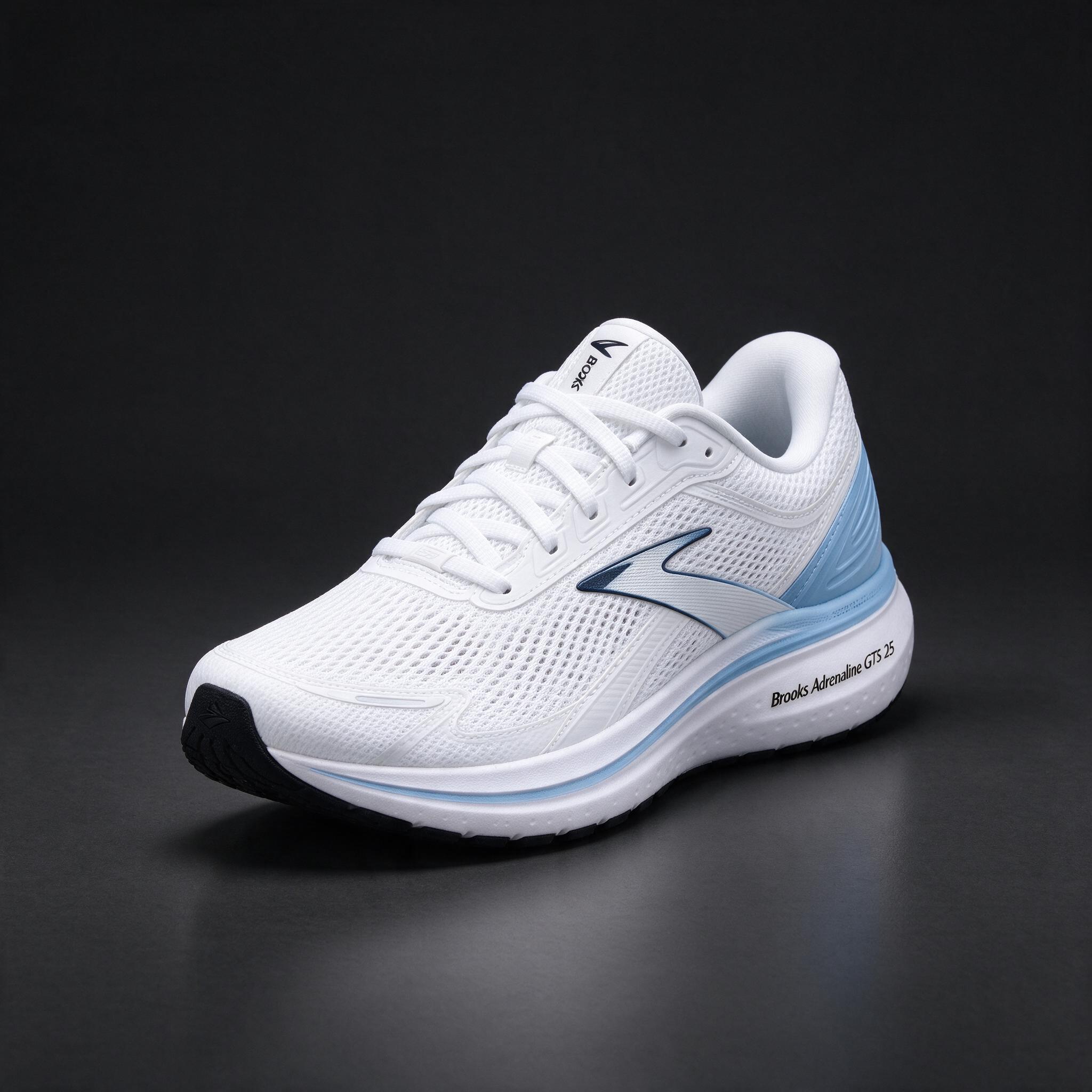
Brooks Adrenaline GTS 25
Runner’s World names it best overall for runners with flat feet and low arches.
Drop: 10 mm · Weight: 10.6 oz (men), 8.7 oz (women) · Midsole: DNA Loft v3 · Support: GuideRails
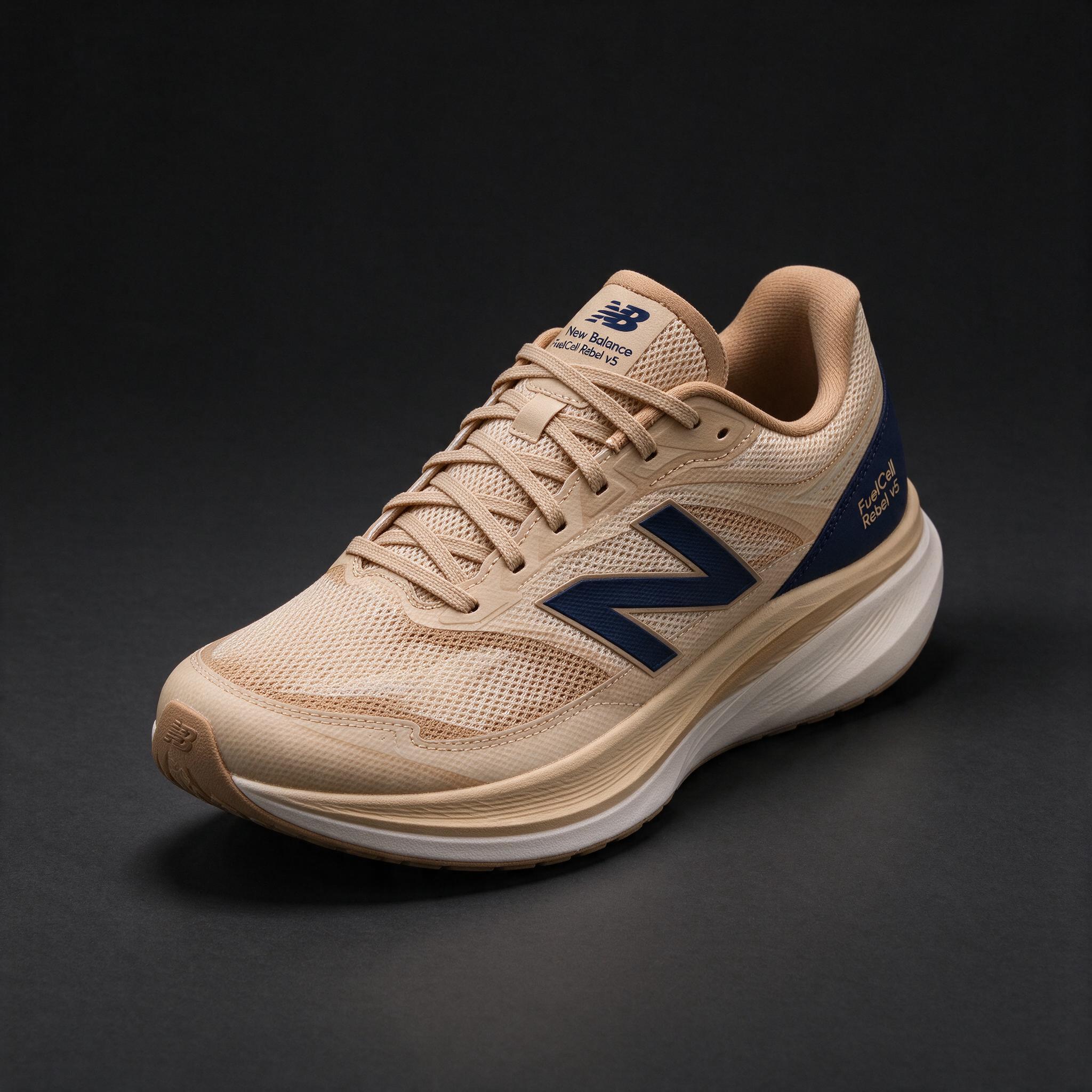
New Balance FuelCell Rebel v5
RTINGS names the Rebel v5 its mid-range pick for flat feet, noting a roomy arch and a broad 88 mm outsole at the midfoot.
Cushioning score: 7.2 (RTINGS) · Midfoot outsole width: 88 mm · Wide sizing: Yes · Type: Neutral daily trainer
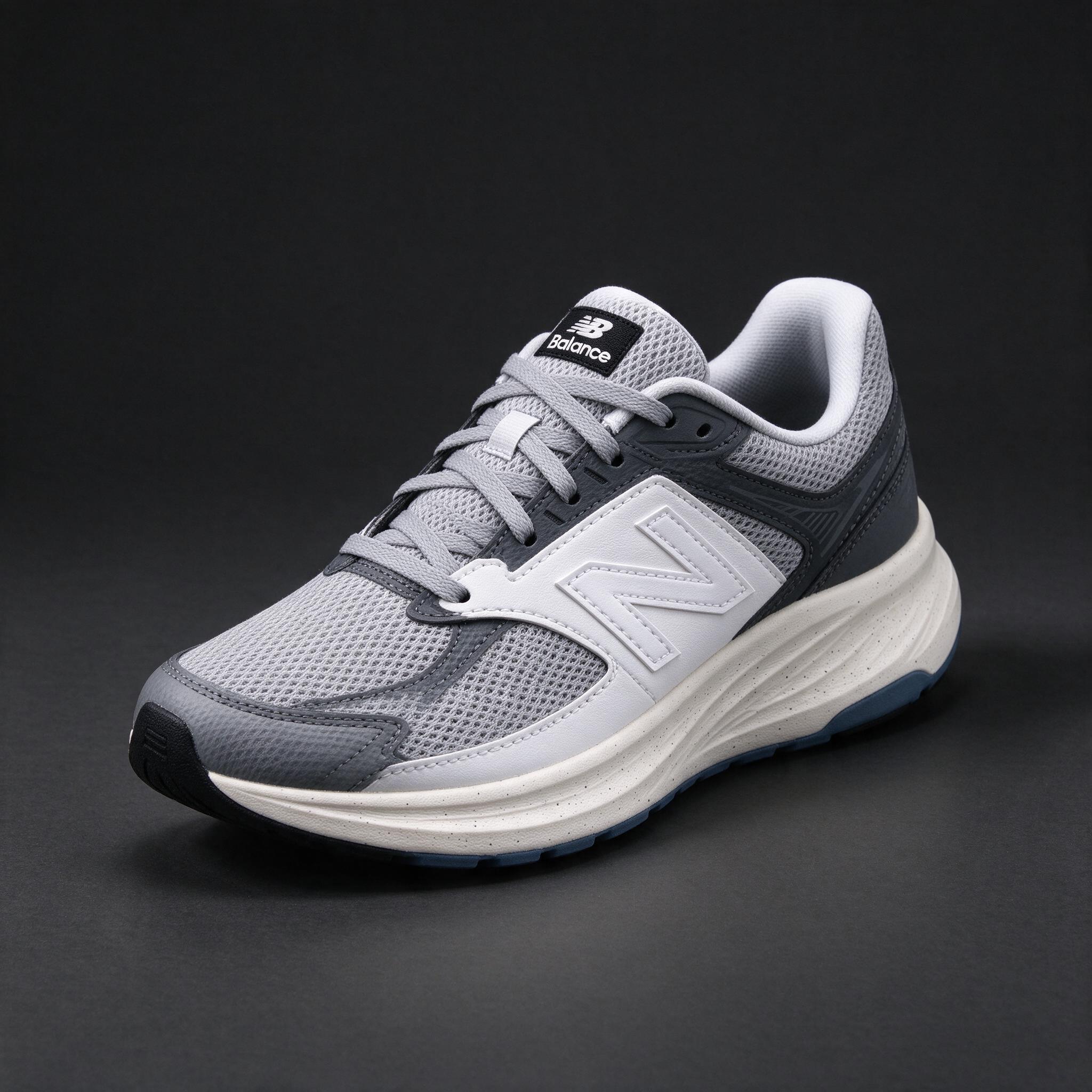
New Balance Fresh Foam 520v9
RTINGS lists the Fresh Foam 520v9 as its budget pick, saying its broad midfoot outsole gives it a stable landing for an affordable shoe.
Cushioning score: 5.5 (RTINGS) · Midfoot outsole width: 83 mm · Width options: Wide and extra-wide · Best for: Short, easy runs
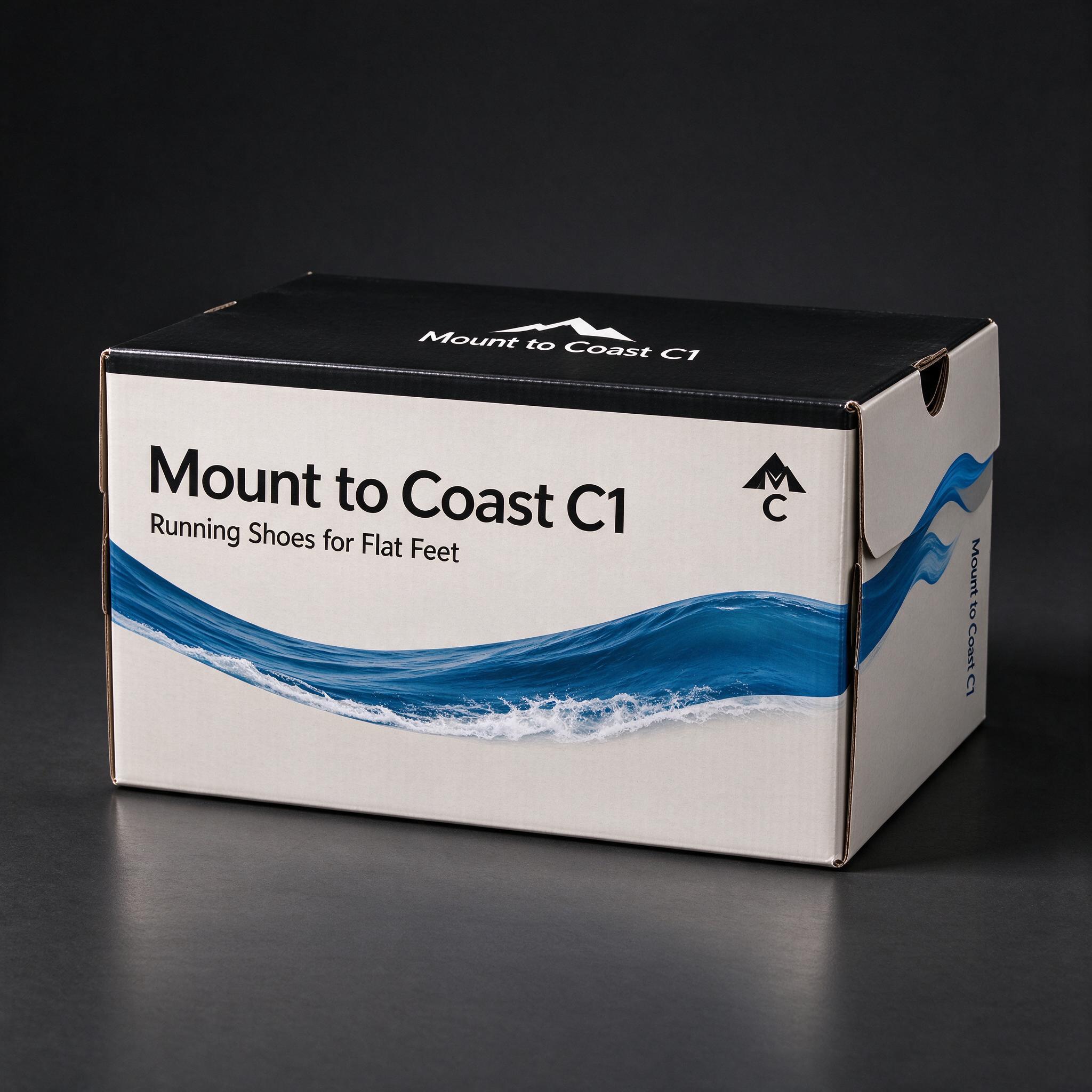
Mount to Coast C1
RTINGS names the Mount to Coast C1 its best running shoe for flat feet after testing more than 300 shoes with a consistent, data-driven method.
Cushioning score: 8.4 (RTINGS) · Midfoot outsole width: 82 mm · Wide sizing: No · Lacing: Dual system
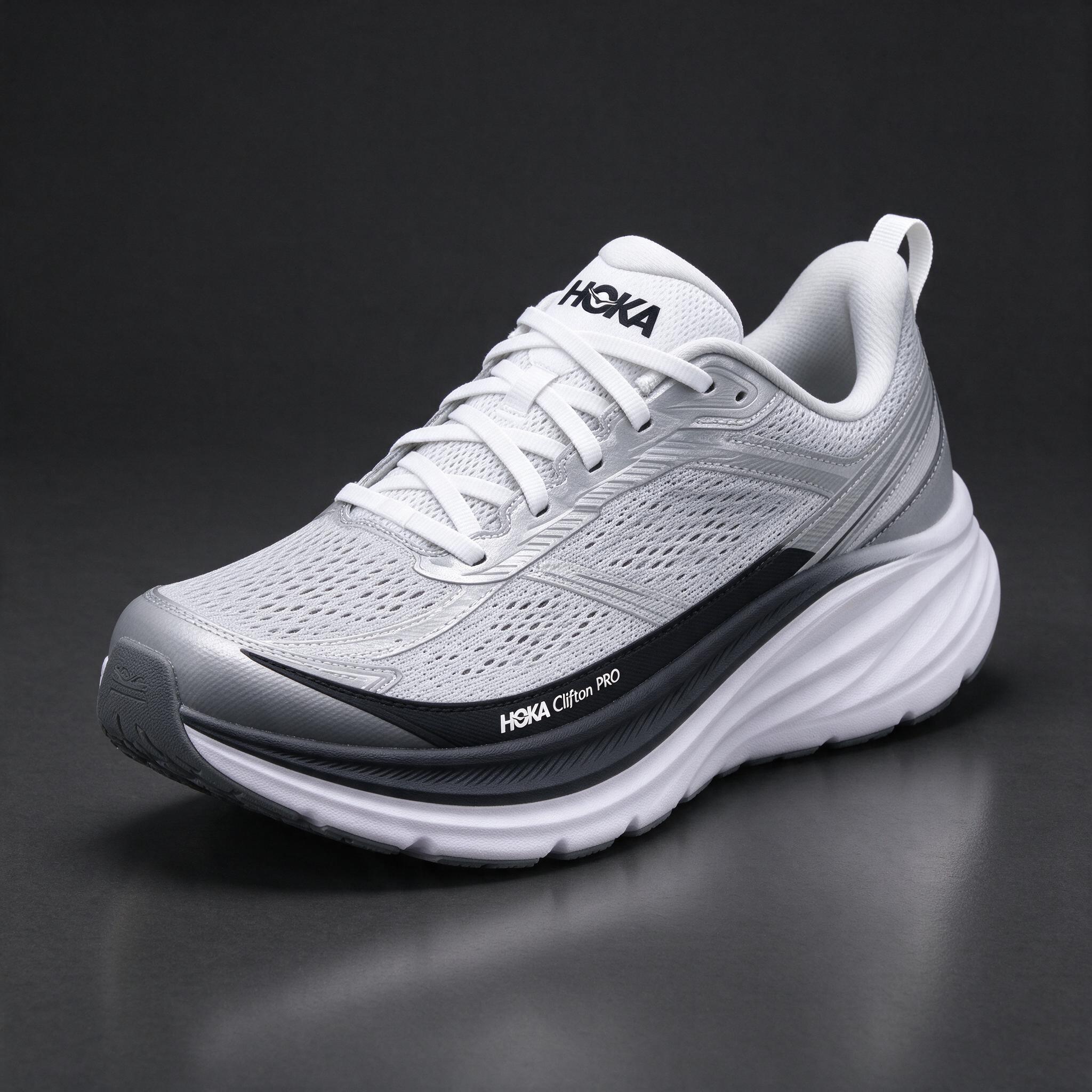
HOKA Clifton PRO
RTINGS recommends the Clifton PRO as its best-cushioned running shoe for flat feet, with an 8.9 cushioning score and an 86 mm midfoot outsole.
Cushioning score: 8.9 (RTINGS) · Midfoot outsole width: 86 mm · Wide sizing: Yes · Best for: Soft, cushioned runs
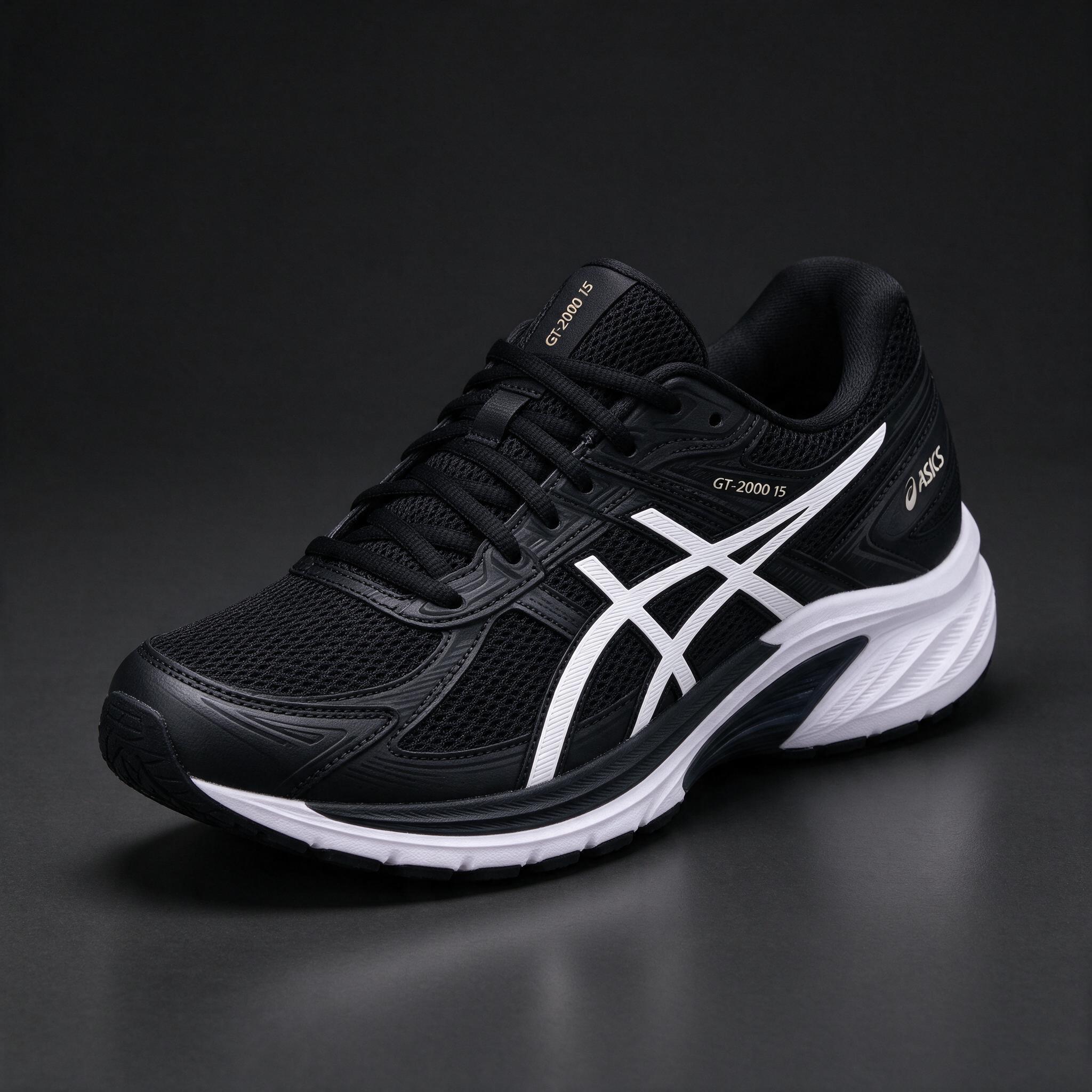
ASICS GT-2000 15
RTINGS recommends the GT-2000 15 as its best stability shoe for flat feet when a medical professional has advised stability footwear for excessive inward rolling.
Cushioning score: 7.5 (RTINGS) · Midfoot outsole width: 81 mm · Wide sizing: Yes · Support: Stability
The same thing, sold by Danilli All
Our own stock, at our price, shipped to you. running shoes for flat feet and close matches.
Not sure which one?Tell Danilli what you need and it picks one of these for you. Free.
Free with a Danilli accountAn email when a product you saved drops in price, the Today's Deals email every morning, and 50 free credits to ask Danilli anything (guests get 3 questions). Nothing to pay.
Sign up free
What to consider
A running shoe cushions impact and provides a platform for your foot; stability models add design features intended to limit excessive inward rolling. Flat feet vary, so there is no one design that suits everyone.
The Brooks Adrenaline GTS 25 combines GuideRails support with a plush, flexible upper and everyday-training cushioning. Runner’s World calls it its best overall choice for flat-footed runners.
It may feel heavier or more structured than a neutral shoe, and some testers wanted longer laces. It is not automatically the right choice just because your arches are low.
For a less expensive, simpler option, consider the New Balance Fresh Foam 520v9 for short, easy runs. For softer, higher cushioning, RTINGS recommends the HOKA Clifton PRO.
What matters
Flat feet alone do not automatically mean you need a stability shoe; comfort and fit matter most. Look for enough room through the midfoot, a broad landing platform, and a heel that feels secure without rubbing. If you use orthotics, check whether the insole can be removed and whether there is enough room for the insert. Try the shoes on with your usual running socks and leave space for your toes. A shoe that feels comfortable during a short test run is a better bet than one chosen just for its arch-support label.
How Danilli picked
Danilli looked for these things, the same ones the testers score:
Low arches and foot shapes vary, so a shoe should feel comfortable rather than press into the midfoot. A secure heel and enough toe room are good signs.
A shoe that is narrow through the arch can create pressure where more of a flat foot contacts the shoe. RTINGS measures arch fit and outsole width to compare room and landing area.
Stability features may help runners who have excessive inward rolling, but flat feet alone do not prove that they need them. Choose the amount of guidance that feels comfortable and suits your gait.
More cushioning can soften road impact, though it may add weight or feel less lively. Consider your typical distance and whether a firmer or softer ride feels better.
A removable insole can make room for custom orthotics or other inserts. Check that your insert fits without crowding your foot.
Wide sizes add room without requiring you to buy a longer shoe. They are particularly useful if the standard fit pinches your forefoot or midfoot.
A shoe suited to relaxed daily miles may not feel quick enough for speedwork, while a light trainer may offer less impact protection. Match the pick to your usual distance and pace.
Who this is for
These picks are for runners with low or flexible arches who want expert-reviewed road-running options. They cover everyday running, short easy runs, cushioning, and stability. Flat feet do not by themselves establish that you overpronate or need a stability shoe. If you have persistent pain, a rigid flatfoot, or were advised to use orthotics, ask a clinician for individual guidance.
The picks, one by one
Brooks Adrenaline GTS 25 · about $118
Runner’s World names it best overall for runners with flat feet and low arches. Its wear-test program evaluates fit, comfort, and ride over hundreds of miles across a large group of testers. The GuideRails system offers stability guidance, while the DNA Loft v3 foam is described as plush and responsive. This is the most broadly useful daily trainer of the listed picks, but it should still feel right on your own foot.
The GTS 25 is designed for everyday training and longer runs, rather than being a dedicated speed shoe. Runner’s World reports a 10 mm offset and weights of 10.6 oz for men and 8.7 oz for women. The guide describes a flexible, plush upper and increased cushioning compared with its predecessor. GuideRails aim to keep excess motion in check without prescribing a rigid arch shape. It is a more supportive choice than the neutral options here. Some testers wanted longer laces, and the structured feel may not suit every runner. Try it on if possible, especially if you have had trouble with stability shoes before.
Drop: 10 mm · Weight: 10.6 oz (men), 8.7 oz (women) · Midsole: DNA Loft v3 · Support: GuideRails
- Some Runner’s World testers wanted longer laces.
- The stability guidance may not suit runners who prefer a neutral ride.
- The listed price is a guide price, not a guaranteed price for every Amazon size or color.
Runner’s World: Its updated guide names the Adrenaline GTS 25 best overall and describes its GuideRails support, plush upper, and DNA Loft v3 cushioning.
New Balance FuelCell Rebel v5 · about $140
RTINGS names the Rebel v5 its mid-range pick for flat feet, noting a roomy arch and a broad 88 mm outsole at the midfoot. Its testing gives it a 7.2 cushioning score, and RTINGS describes it as the lightest shoe in its list. It has wide sizing and works well for shorter runs or runners who want to pick up the pace. It trades away some impact protection compared with RTINGS’ top pick.
The Rebel v5 is the option to consider if you want a lighter, more versatile feel than a cushioned stability trainer. RTINGS found its outsole especially wide beneath the midfoot, which helps provide a broad landing area. Wide sizing gives additional fit choices. The reviewer says it is capable for everyday training and shorter distances. Its cushioning is less protective over longer mileage, and the forefoot can feel harsh. The low toe box may rub against taller toes. It is a neutral shoe, not a stability model, so choose it for fit and comfort rather than assuming flat feet require motion control.
Cushioning score: 7.2 (RTINGS) · Midfoot outsole width: 88 mm · Wide sizing: Yes · Type: Neutral daily trainer
- Less impact protection than RTINGS’ top pick, especially over longer runs.
- The low toe box may rub taller toes.
- The price varies by size, color, and seller.
RTINGS: Its flat-feet guide recommends the Rebel v5 as its mid-range pick for a roomy arch, broad midfoot platform, and lighter feel.
New Balance Fresh Foam 520v9 · about $59
RTINGS lists the Fresh Foam 520v9 as its budget pick, saying its broad midfoot outsole gives it a stable landing for an affordable shoe. A recent Amazon deal report listed the men’s model at about $59, though prices and available sizes can change. RTINGS warns that the cushioning is limited and the forefoot feels harsh. It is best for short, easy runs or a run-walk routine, not high mileage.
This is the lowest-cost option in this roundup with a specific current recommendation from a testing publication. RTINGS measured an 83 mm outsole width at the midfoot and reports wide and extra-wide sizes. Its cushioning score is 5.5, lower than the other RTINGS picks here. The reviewer says it can manage short, easy runs and everyday use, but it lacks rebound for faster running. It is also the firmest of RTINGS’ listed picks. If you run long distances or want a soft, protective ride, spend more. Check the Amazon listing carefully for the right version and width.
Cushioning score: 5.5 (RTINGS) · Midfoot outsole width: 83 mm · Width options: Wide and extra-wide · Best for: Short, easy runs
- Limited cushioning makes it a poor fit for high-mileage running.
- The forefoot feels harsh and the shoe has little rebound, according to RTINGS.
- Amazon price and sizes can vary.
RTINGS: It calls the Fresh Foam 520v9 its budget pick, while cautioning that its firm ride and limited cushioning suit shorter, easier runs.
Tom’s Guide: A recent Amazon deal roundup listed the men’s Fresh Foam 520v9 at about $59.
Mount to Coast C1 · about $160
RTINGS names the Mount to Coast C1 its best running shoe for flat feet after testing more than 300 shoes with a consistent, data-driven method. It reports an 8.4 cushioning score, an 82 mm midfoot outsole, and a roomy standard fit. The reviewer says it protects well from road impact and works for regular training and longer runs. The tradeoffs are its weight, modest energy return, and lack of wide sizing.
The C1 is aimed at runners who want a broad, comfortable platform for steady mileage. RTINGS describes its cushioning as protective despite a relatively firm feel. Its dual-lacing system lets runners loosen the forefoot without loosening the rest of the fit, which may help as feet swell on longer runs. The roomy standard fit is useful, but there is no wide-size option. RTINGS says it is less suitable for fast running because it is heavier and has modest energy return. This is a premium-style upgrade for relaxed training, not a race-day pick. Confirm the Amazon listing and current price before buying.
Cushioning score: 8.4 (RTINGS) · Midfoot outsole width: 82 mm · Wide sizing: No · Lacing: Dual system
- Heavier feel and modest energy return make faster running harder.
- No wide sizing is offered.
- Its firmer ride may not suit runners seeking a soft, plush shoe.
RTINGS: It names the C1 its top flat-feet pick, citing a roomy arch, broad midfoot base, and cushioning that protects on longer runs.
HOKA Clifton PRO · about $160
RTINGS recommends the Clifton PRO as its best-cushioned running shoe for flat feet, with an 8.9 cushioning score and an 86 mm midfoot outsole. Its tests found strong impact absorption, especially at the heel, and wide sizing is available. The compromise is a slower, less smooth-feeling transition than the C1, according to RTINGS. Choose it if cushioning is your priority and the fit works for you.
RTINGS describes this as its softest pick for flat feet and says the cushioning holds up on longer runs. The broad platform provides a substantial landing area under the arch. Wide sizing adds fit options, although the forefoot may feel restrictive for runners with taller toes. The shoe can feel sluggish and is less stable than RTINGS’ top pick. It is a better match for someone who values softer landings than a quick, responsive stride. Try it on before committing if you have a high-volume forefoot or dislike plush shoes.
Cushioning score: 8.9 (RTINGS) · Midfoot outsole width: 86 mm · Wide sizing: Yes · Best for: Soft, cushioned runs
- It feels less lively and slower through transitions than the C1.
- The forefoot may feel restrictive for taller toes.
- Its ride is not as stable as RTINGS’ top pick.
RTINGS: It recommends the Clifton PRO for maximum cushioning, noting its soft ride, strong impact absorption, and wide midfoot platform.
ASICS GT-2000 15 · about $140
RTINGS recommends the GT-2000 15 as its best stability shoe for flat feet when a medical professional has advised stability footwear for excessive inward rolling. Its testing reports a 7.5 cushioning score and an 81 mm midfoot outsole. RTINGS says it has the roomiest arch fit among its selected models. This is a targeted option for people who want guidance, not a required choice for everyone with flat feet.
The GT-2000 15 includes design features intended to guide the foot and limit excessive inward movement. RTINGS says its midfoot fit is roomy and the outsole is broad enough to provide a steady landing. It is available in wide sizing. Its 7.5 cushioning score is moderate in this lineup, rather than maximum-plush. Consider it if stability is a specific need and the shoe feels comfortable when running. If you do not need that guidance, a neutral shoe may work just as well. The recommendation is not a diagnosis based solely on arch shape.
Cushioning score: 7.5 (RTINGS) · Midfoot outsole width: 81 mm · Wide sizing: Yes · Support: Stability
- Stability features are unnecessary for many flat-footed runners.
- It offers less cushioning than RTINGS’ maximum-cushioning pick.
- Fit and support preference are personal, so try it before relying on it for longer runs.
RTINGS: It calls the GT-2000 15 its best stability option, specifically for runners advised to use stability shoes for excessive inward rolling.
How Danilli chose
Runner’s World says its roughly 300 wear-testers logged hundreds of miles across varied experience levels, gaits, paces, and arch types, assessing fit, comfort, and ride. RTINGS says it bought and tested more than 300 running shoes using the same methods, including cushioning, midfoot width, and arch fit. RunRepeat describes lab measurements including shoe stiffness, platform width, breathability, and durability. These are different testing programs, not a single head-to-head test of every pick. Danilli read the reviews and tests below and compared current prices; it does not take money from brands to pick a product.
Sources: Runner’s World · RTINGS · RunRepeat · Tom’s Guide
The ones Danilli skipped
Reviewers tested these too; here is why they did not make the list.
- New Balance Ellipse: Runner’s World lists it as its budget pick, but this roundup favors the RTINGS-tested 520v9 because a recent Amazon deal report gave a usable price reference.
- Hoka Arahi 9: Runner’s World recommends it for stability, but the GT-2000 15 has a specific current RTINGS flat-feet recommendation and measured fit details.
- Brooks Ghost Amp: Runner’s World lists it for speedwork, while this selection prioritizes everyday and comfort-oriented categories.
- Saucony Guide 19: Runner’s World recommends it for cushioned support, but the Clifton PRO has a specific RTINGS cushioning category recommendation.
- Altra Fwd Via 2: Runner’s World recommends it for runners curious about low-drop shoes, but its different drop profile is a more specialized choice.
- New Balance SuperComp Rebel: Runner’s World includes it for race training, but this list focuses on daily and comfort-led running needs.
- Hoka Rocket X 3: Runner’s World recommends it for marathon racing, a specialized use outside this list’s everyday picks.
- Hoka Speedgoat 7: Runner’s World lists it for trail running, whereas this roundup focuses on road shoes.
Questions people ask
Do flat feet require stability shoes?
No. Flat feet alone do not establish that you overpronate or need stability features. Choose stability guidance if it feels comfortable and suits your needs, or if a qualified professional has recommended it.
Are neutral shoes okay for flat feet?
They can be. RTINGS notes that flat feet do not automatically require a stability shoe, and its flat-feet picks include neutral models.
What should I check when trying shoes on?
Look for a comfortable midfoot, secure heel, and enough toe room; the shoe should not press painfully into your arch. Try your usual running socks and orthotics, if you use them.
Can I use custom orthotics with these shoes?
Several RTINGS picks have removable insoles, which can make inserts easier to fit. Confirm the exact model’s insole and volume before buying, since orthotics can change how a shoe fits.
Are the listed prices guaranteed on Amazon?
No. Shoe prices change by size, color, seller, and stock, and the Amazon listings may not match guide prices. Check the exact model and final price before ordering.
Updates
- 2026-11-08 Researched the current reviews and prices.
Comments
Loading…
More guides in Fitness All
Danilli may earn a small commission from Amazon or the store when you buy through these buttons. The price is the same for you. Pictures marked "picture by AI" are made by Danilli's AI to show the product; check the real photos on the store page.